

If your pond has frogs, toads, newts or ducks they all love eating slugs as part of their natural diet, so are a great aid in combating slugs. Toads in particular are nocturnal feeders and can eat...
Read More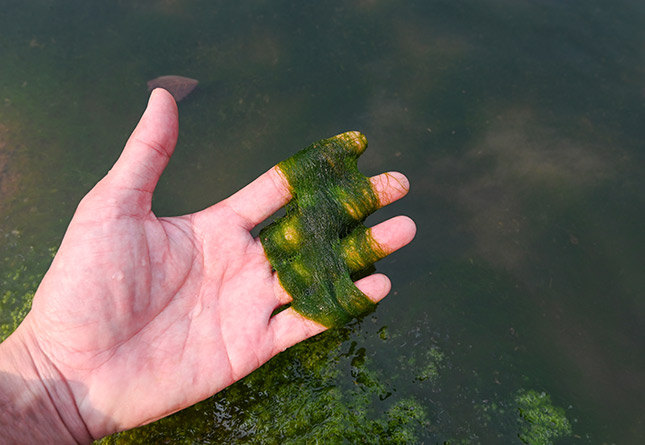
Algae and Blanket Weed Control
There are many different forms of algae. There is the type which turns the water green, which is called a mono cellular algae or blanket weed which can either be the long stringy type which clogs...
Read More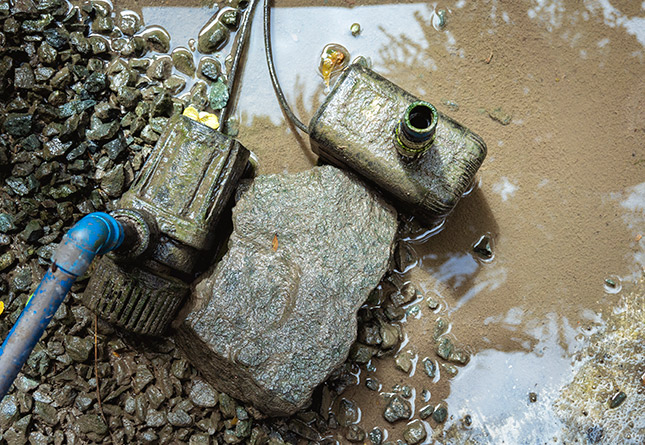
Pond Odour, Mud and Sludge
Muddy sludge is made up from such things as dead weed, rotting leaves and fish excrement. When the good aerobic bacteria in your pond become inactive, the bad anaerobic bacteria take over which...
Read More
Invasive Oxygenating Weed
Oxygenating weed is vitally important in any pond or lake situation, not only to produce oxygen, but also to use up nutrition. If you have more nutrition in a pond than you have life to consume it,...
Read More
Pumps and Filters
You don’t need to have any pumps or filters in order to use Aquaplancton, but as most people do, it’s a good idea to keep them running as you apply the Aquaplancton to mix it well round the...
Read More
Wildlife and the Environment
Unlike many harmful chemicals, Aquaplancton is completely safe for the environment. It is not a harmful substance and is used successfully with fish all the time. It won’t harm frogs, newts,...
Read More
Dredging of Lakes and Moats
Apart from the huge cost of dredging a lake there are other disadvantages. The disruption to the surrounding areas can be a problem, but the cost to wildlife is incalculable because, when you throw...
Read More
Aquaplancton Application Tips
Although Aquaplancton can be applied at any time of year, it is easier to apply either in early spring before everything starts to grow or late autumn after everything had died down. Where you have...
Read More